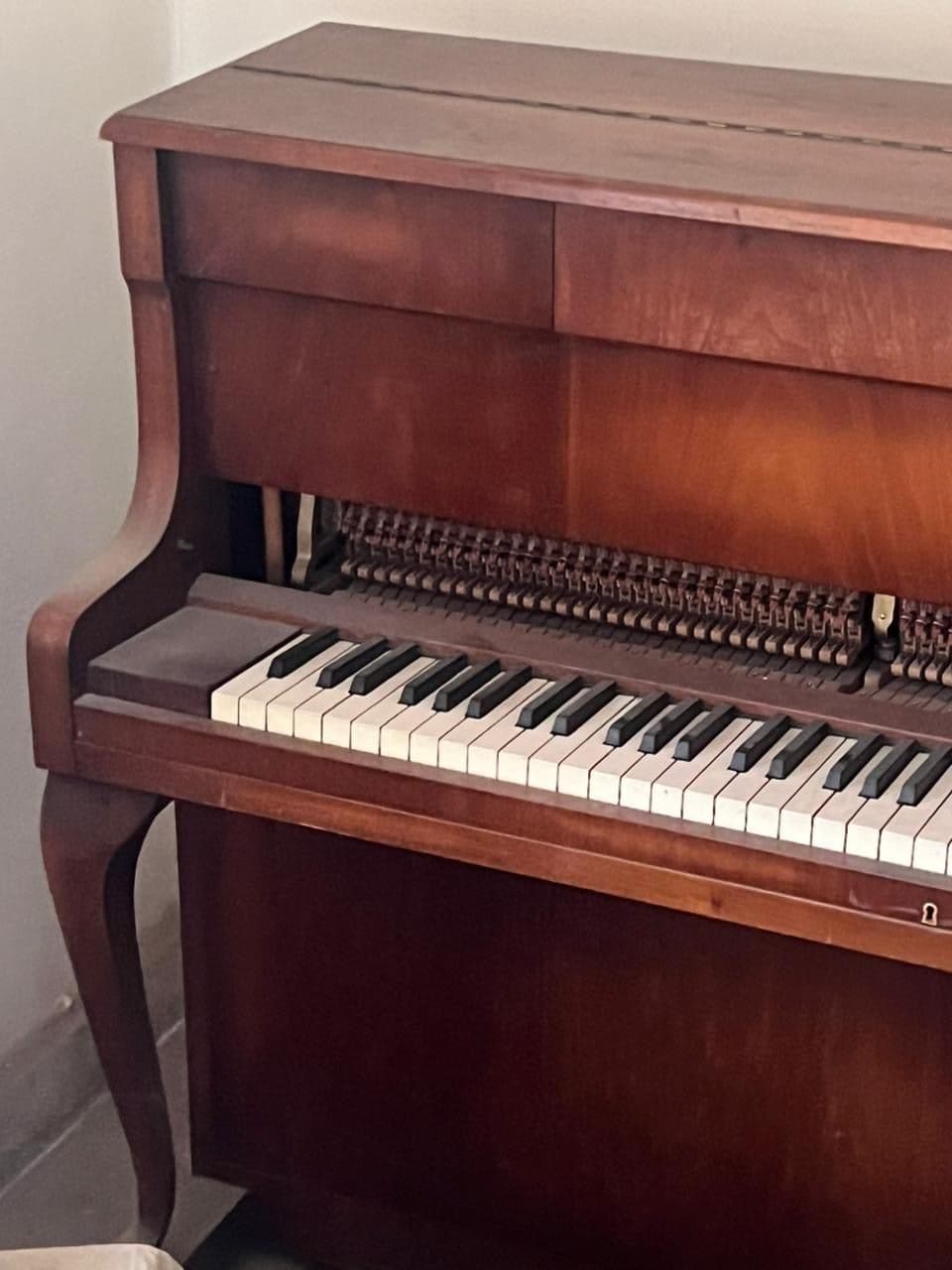
There's a piano sitting in a corner of a room somewhere in your family's history. Maybe your grandmother played it. Maybe it came with the apartment when you moved in. Maybe it's been covered with a cloth for fifteen years and you've stopped noticing it. The question a lot of Cairo families eventually ask is: is it worth fixing? The answer, more often than people expect, is yes.
What Is Piano Restoration?
Restoration is not the same as repair. Repair addresses a specific malfunction: a key that doesn't respond, a pedal that doesn't engage, a string that broke. Restoration is more comprehensive — it addresses years of accumulated wear, environmental exposure, and age-related degradation, and brings an instrument back to functional, playable condition.
A restored piano won't always be identical to its original state, but it should play reliably and sound like itself again. Not every old piano needs — or benefits from — full restoration. Which brings us to the more useful question.
6 Signs an Old Piano Can Be Restored
- The cabinet is structurally sound — solid wood casing still intact (surface damage is cosmetic and doesn't indicate what's happening inside)
- The soundboard has no significant cracks — small hairline cracks are common in older instruments and often repairable
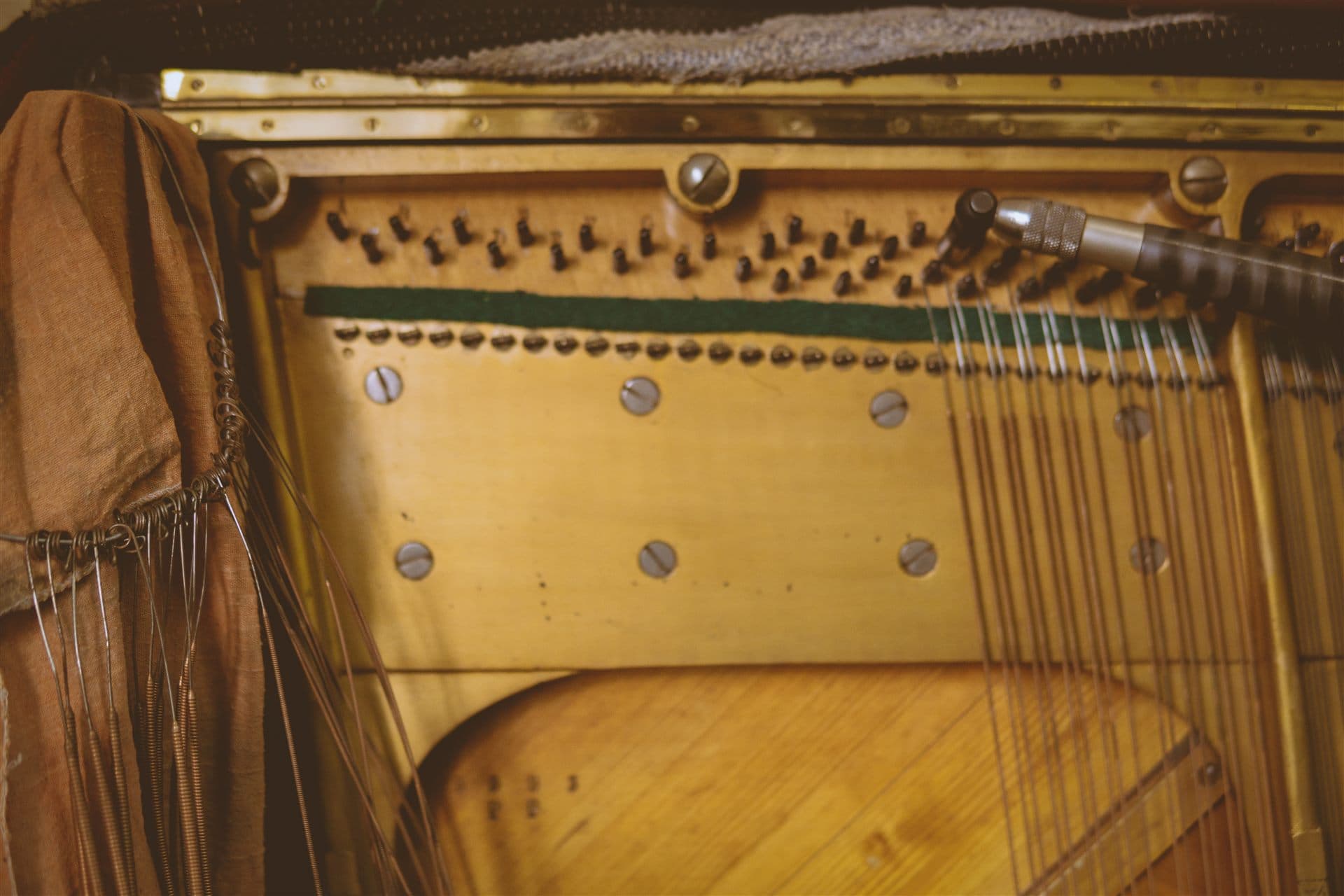
- The strings are mostly intact — one or two broken strings is routine and replaceable; excessive rust is more significant
- The keys respond, even roughly — if something moves when you press a key, the action is probably intact and repairable
- The hammers are present and mostly shaped — hammer voicing is a standard part of restoration work
- The tuning pins hold tension — a technician will test this; loose pins can often be addressed without full replacement
When It's Not Worth Restoring
Honesty matters here. Some pianos are genuinely not worth the investment: instruments with catastrophic soundboard damage, structural frame damage (the cast iron plate is very rarely repairable if cracked), or very low-quality instruments from the beginning — restoration brings a piano back to what it was. If what it was wasn't much, restoration has a ceiling. A good technician will tell you this directly after an assessment.
What the Restoration Process Looks Like
- Deep cleaning of the interior (decades of dust affect both sound and mechanism)
- Hammer reshaping (voicing) or replacement
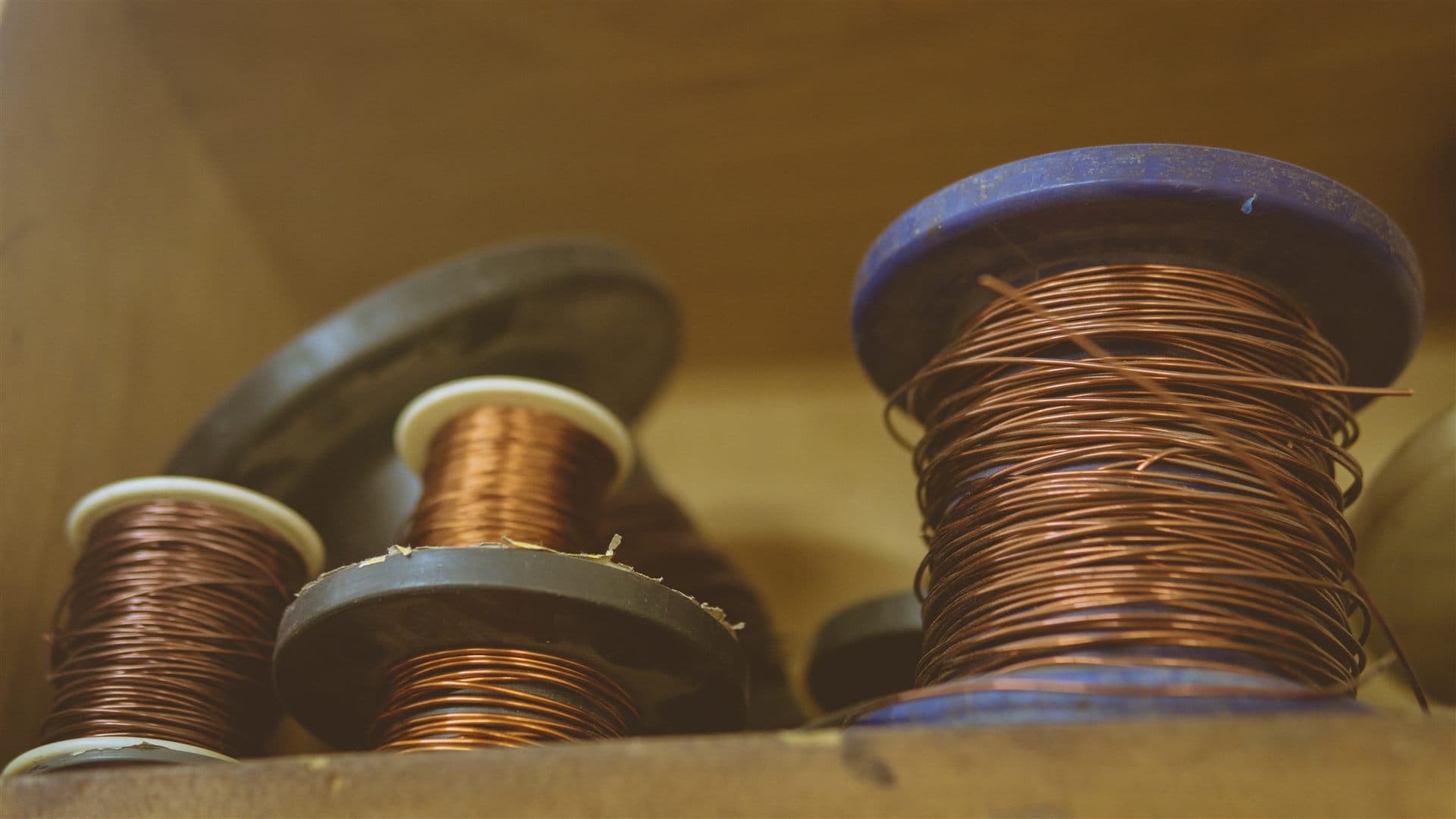
- Replacing broken or corroded strings
- Key repair and leveling
- Pedal mechanism adjustment
- Tuning — which may require a pitch raise first if the instrument has dropped significantly
- Cabinet touch-up (optional — cosmetic, not functional)
Not every instrument needs all of these. The assessment determines the scope.
What Does Restoration Cost in Egypt?
The range is wide, because the work varies significantly by instrument. A basic assessment, cleaning, and standard tuning is a different project from a full restringing and action overhaul.
Pianoman Egypt offers a free assessment — we look at your instrument, tell you what it needs, and give you a quote with no obligation. You decide whether to proceed. We come to you — all Cairo districts.